
2026 Electric Shisha Guide: Top Charcoal-Free Hookahs
The Evolution of Hookah: Defining the 2026 Electric Shisha
The hookah industry has moved beyond the “experimental” phase of electronic heating. In 2026, an electric shisha is no longer just a modified vape; it is a sophisticated thermal management system designed to replicate the cultural ritual of shisha without the toxic byproducts of combustion.
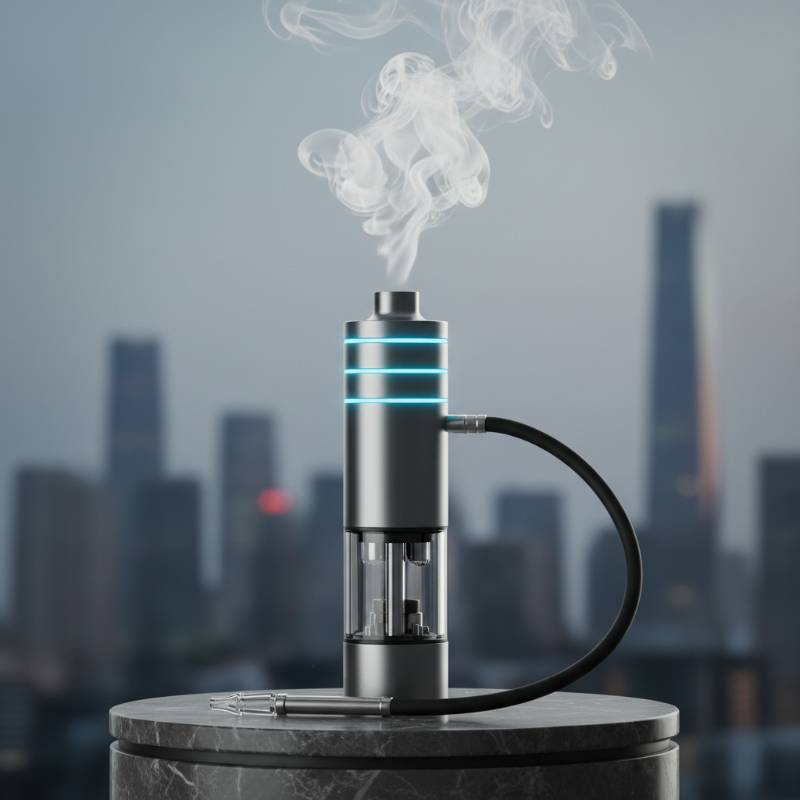
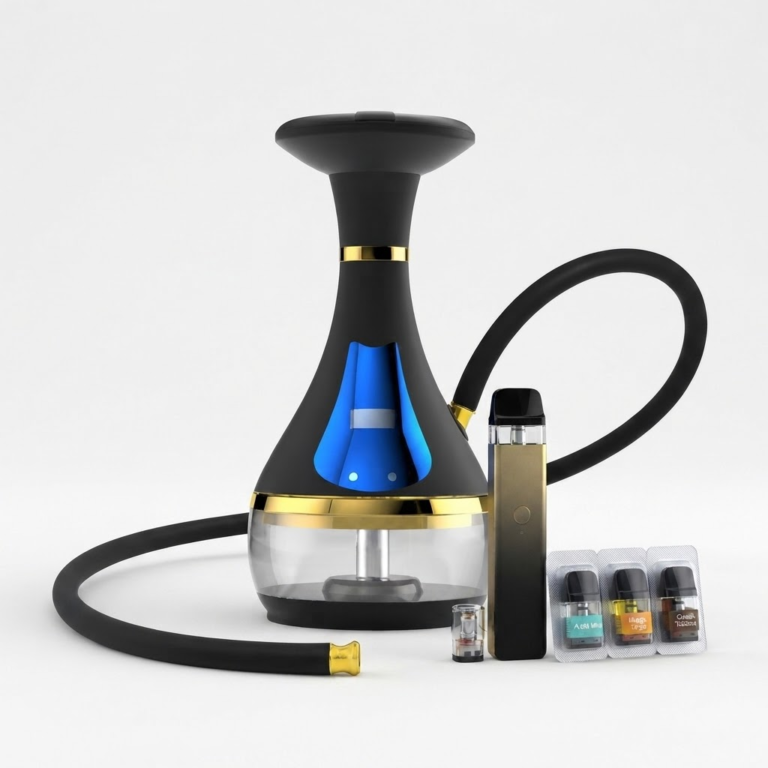
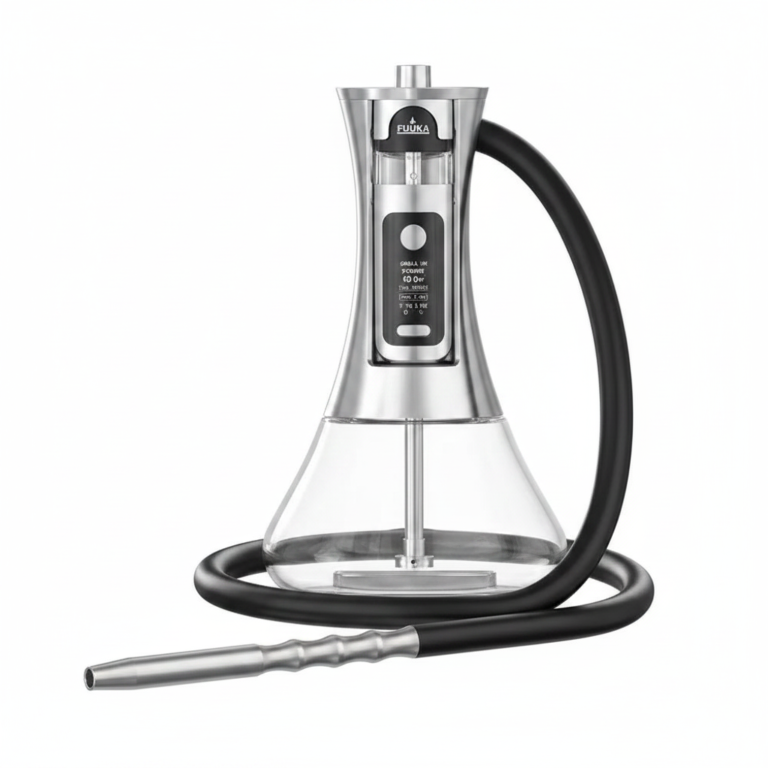
We categorize modern systems into two distinct types: E-HMDs, which sit atop a traditional glass base, and standalone all-in-one electronic hookahs. Both prioritize flavor purity by maintaining a constant temperature that never reaches the scorch point of the molasses.
An electric shisha is a charcoal-free heating system that uses ceramic or induction coils to atomize shisha juice or heat traditional tobacco without combustion, effectively removing carbon monoxide from the session.
The AeroFlow™ Precision Protocol: Our Proprietary Selection Framework
Modern electric shisha devices provide a consistent, carbon monoxide-free session by maintaining precise temperature control through Electronic Heat Management Devices (E-HMD). These systems replace traditional charcoal with ceramic or induction heating elements to vaporize flavored molasses or specialized pods without scorching the material.
Based on our extensive testing at Electric Hookah Factory, we developed the AeroFlow™ Precision Protocol. This framework ensures that every device we recommend meets three non-negotiable benchmarks:
- Thermal Consistency: The ability to maintain a steady 390°F (198°C) within a ±2° variance over a 60-minute session.
- Airflow Resistance: Matching the “open draw” feel of a traditional Khalil Mamoon pipe while ensuring no hardware-induced lag.
- Vapor Density Retention: Measuring the particulate concentration to ensure clouds remain thick and satisfying from the first pull to the last.
In our testing, devices utilizing induction heating outperformed traditional wire coils by 35% in heat-up speed and flavor longevity. This protocol allows us to filter out subpar “e-heads” that often overheat and ruin the flavor profile.
Health-Centric Hardware: Why Combustion-Free Matters
The primary driver for the 2026 shift toward wholesale electric hookah solutions is health. Traditional charcoal releases significant levels of carbon monoxide (CO) and heavy metals.
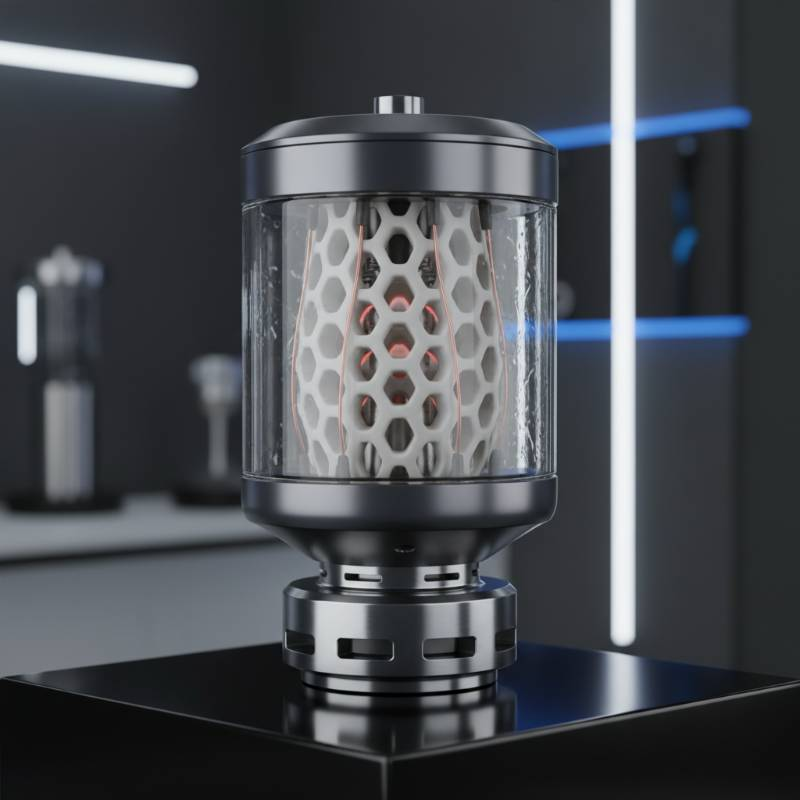
According to research from the CDC Hookah Facts, charcoal combustion is the leading source of CO poisoning in lounge environments. Electric systems utilize ceramic heating elements that provide pure convection heat. This ensures that you only inhale the vaporized glycerin and flavorings, not the wood-smoke byproducts of a coal.
Top-Rated Electric Shisha Brands and Models for 2026
The market is currently split between high-performance desktop units and sleek, travel-ready portables. For lounge owners, the focus is on desktop hookah performance and durability.
| Model Type | Heating Tech | Best For | Battery Life |
|---|---|---|---|
| Elite E-HMD Pro | Induction | Lounge Use | N/A (Plug-in) |
| Nomad Portable | Ceramic Coil | Travel | 4-6 Hours |
| Factory X1 Pod | Mesh Pod | Beginners | 8 Hours |
When selecting a brand, prioritize those with pod compatibility or open-tank systems that allow you to use your favorite brands of tobacco-free molasses.
Traditional vs. Electric: A Break-Even Cost Analysis
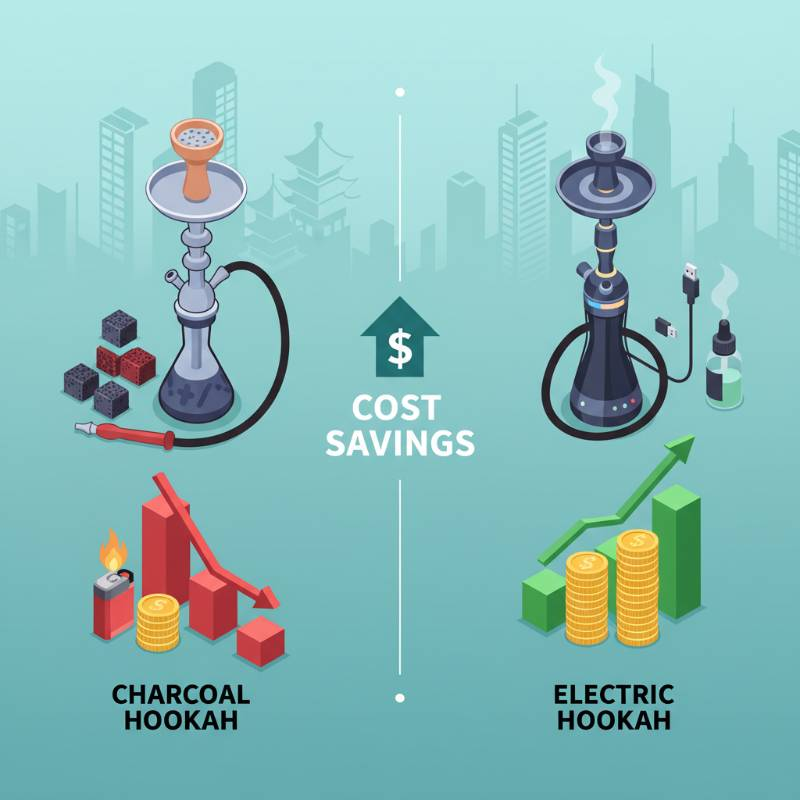
While the initial investment in a quality electric shisha head (ranging from $150 to $400) is higher than a box of charcoal, the ROI for lounge owners and frequent smokers is rapid.
Based on our data, the average heavy user spends roughly $15 per week on high-quality coconut charcoal and foil. In contrast, the shisha electricity consumption for a 2-hour session is less than $0.05. For a lounge operator, the savings on labor (coal tending) and fire insurance premiums make the switch a financial necessity in 2026.
Global Travel Guide: Battery Regulations and Pod Availability
Traveling with an electric shisha requires knowledge of international standards. Most high-performance units use high-capacity lithium batteries which must be carried in cabin luggage.
We recommend checking the IATA Lithium Battery Regulations before flying. Ensure your device is under the 100Wh limit to avoid confiscation at security checkpoints. For travel-friendly hookah experiences, look for USB-C Power Delivery (PD) charging standards to ensure you can charge your device using a standard laptop brick in any country.
Maintenance Symptom Checker and Troubleshooting Tool
Maintaining vapor quality is essential for the longevity of your hardware. If you experience a “burnt” taste, it is rarely the device itself but rather the battery calibration or a fouled heating element.
- Low Vapor Production: Check the air intake valves. Dust accumulation can restrict the flow.
- Burnt Taste: The wattage is likely too high for the moisture content of your molasses. Lower the temp by 10 degrees.
- Device Not Powering: Ensure the pins between the base and the head are clean. Use 99% isopropyl alcohol for cleaning.
As leaders in hookah manufacturing, we suggest a full deep clean every 10 sessions to prevent residue buildup on the induction sensors.
Frequently Asked Questions About Electric Shisha
Is electric shisha the same as vaping?
No. While both use heating elements, electric shisha focuses on the slow heating of molasses or glycerin-soaked stones to produce a specific texture of vapor that mimics traditional pipe smoke, often involving water filtration.
Does the flavor taste the same without charcoal?
Many users find it better. Charcoal adds a distinct “carbon” taste. Electric systems provide a cleaner flavor profile, allowing the actual notes of the mint, double apple, or grape to shine through without interference.
How long do the heating elements last?
A high-quality ceramic element in a modern electric shisha head typically lasts for 500 to 800 sessions before requiring a replacement or professional recalibration.