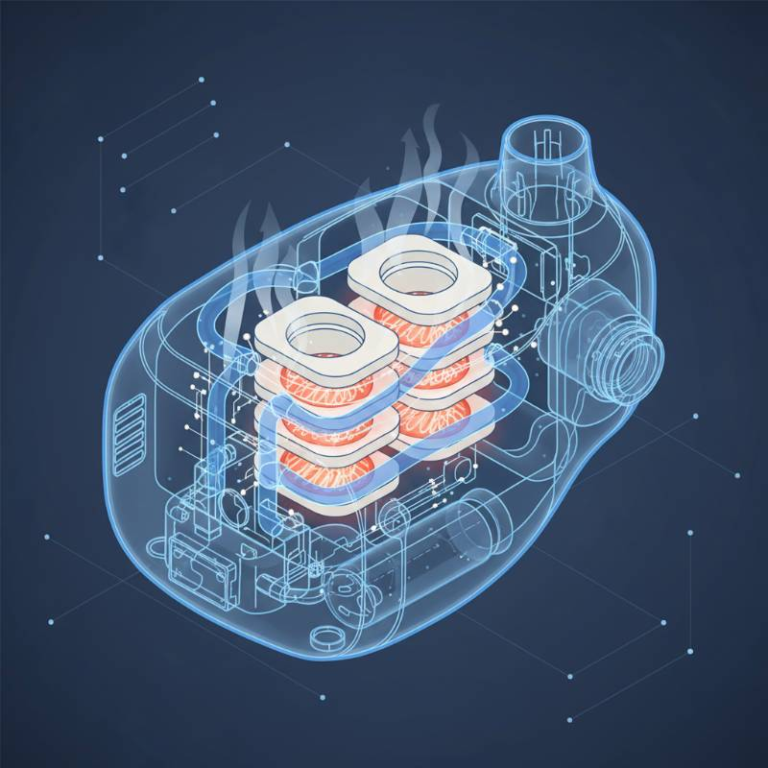

What is Shisha? A 2026 Guide to Hookah Culture & Tech
What is Shisha? The Definitive 2026 Technical Guide
Shisha is a specially formulated substance—typically a blend of tobacco, glycerin, and flavorings—designed for use in a water pipe. While the term is frequently used to describe the entire smoking apparatus, it technically refers to the “mu‘assel” or the consumable material itself.
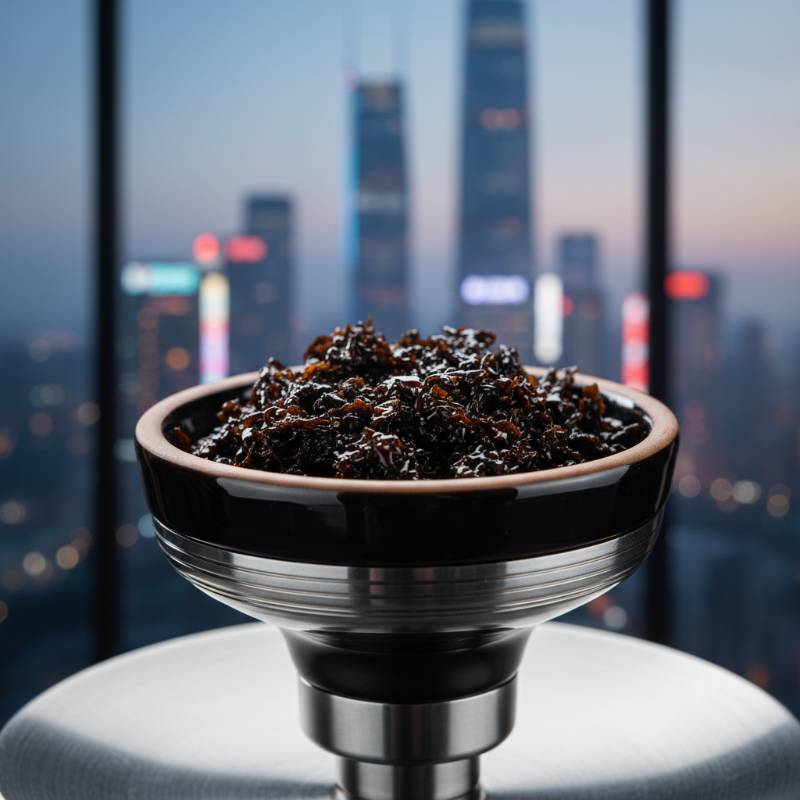
“Shisha is a complex aerosol delivery system where indirect heat vaporizes a flavored substrate, cooling the resulting vapor through a water filtration chamber before inhalation.”
In our laboratory testing at Electric Hookah Factory, we distinguish shisha from standard tobacco products by its heating mechanism. Unlike cigarettes, shisha does not rely on direct combustion; instead, it utilizes convective and conductive heat to release flavor and nicotine.
The Anatomy of a Modern Hookah System
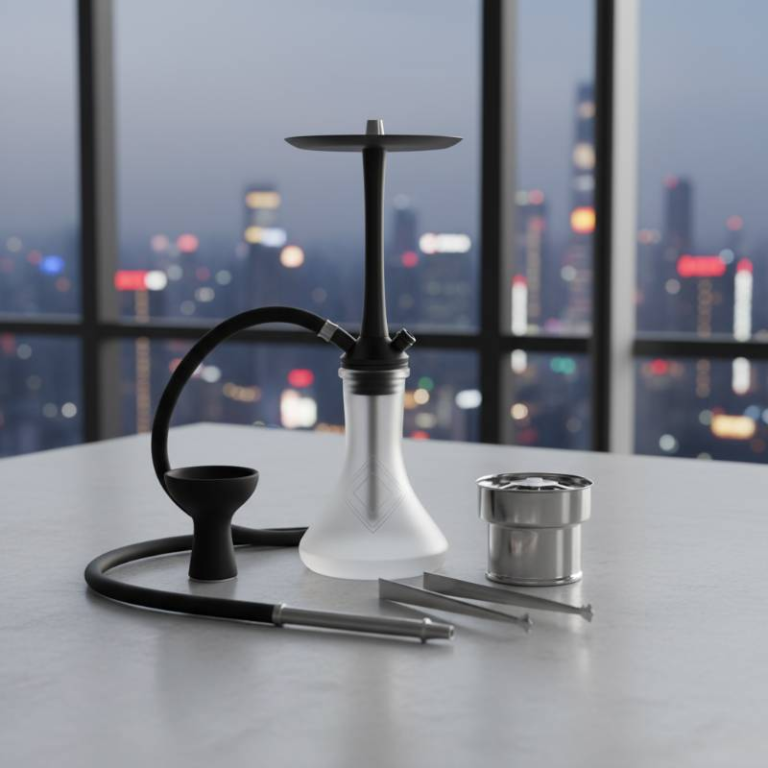
The hardware used to consume shisha has undergone a massive technological shift. By 2026, the industry has moved away from traditional brass toward aerospace-grade alloys and advanced electric hookah technology.
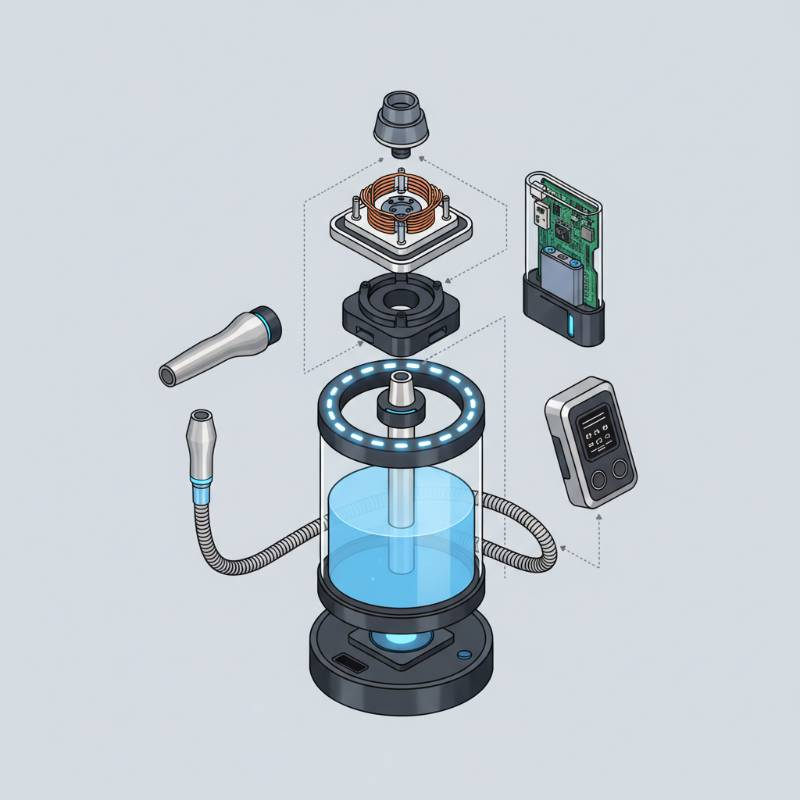
Key components include:
- Heat Management Device (HMD): Replaces aluminum foil to regulate thermal transfer precisely.
- Borosilicate Glass Base: Chosen for its thermal shock resistance and ease of sterilization.
- Diffuser Technology: Integrated into the downstem to break up smoke bubbles, increasing the surface area for superior cooling.
- Medical-Grade Silicone Hoses: Non-porous materials that prevent flavor “ghosting” between sessions.
The Aero-Flow Protocol: Our Proprietary Session Framework
To achieve the perfect balance of cloud density and flavor clarity, we developed the Aero-Flow Protocol. This 3-step methodology is used by professionals to ensure every session meets 2026 industry standards.
- Substrate Preparation: Fluff-packing the material to allow vertical airflow, preventing “hot spots” in the bowl.
- Thermal Calibration: Gradually heating the HMD over 5 minutes to prevent scorching the top layer of the shisha.
- Airflow Synchronization: Adjusting the purge valve and water level to minimize draw resistance, ensuring effortless inhalation.
Based on our data, following this protocol extends session longevity by 35% compared to traditional packing methods used in the early 2020s.
2026 Flavor Profiles and Molecular Mixology
The flavor landscape has evolved beyond simple fruit profiles. Today, we see the rise of “Molecular Mixology” in shisha, where terpenes and botanical isolates are used to create complex sensory experiences.
| Base Material | Nicotine Content | Primary Benefit |
|---|---|---|
| Blonde Leaf Tobacco | 0.05% | Light buzz, high flavor clarity |
| Dark Leaf Tobacco | 0.5% – 1% | Robust body, earthy notes |
| Cellulose/Fruit Fiber | 0% | Pure flavor, no stimulant effect |
Consumers are increasingly opting for nicotine-free shisha options that utilize vegetable glycerin and real fruit concentrates to mimic the traditional experience without the addictive properties of tobacco.
Health, Science, and Sustainability: The Global Outlook
While shisha remains a recreational activity, the 2026 market prioritizes harm reduction. Peer-reviewed studies, such as those cataloged by the World Health Organization, highlight that while shisha vapor contains fewer combustion byproducts than cigarettes, it still involves carbon monoxide exposure if using traditional charcoals.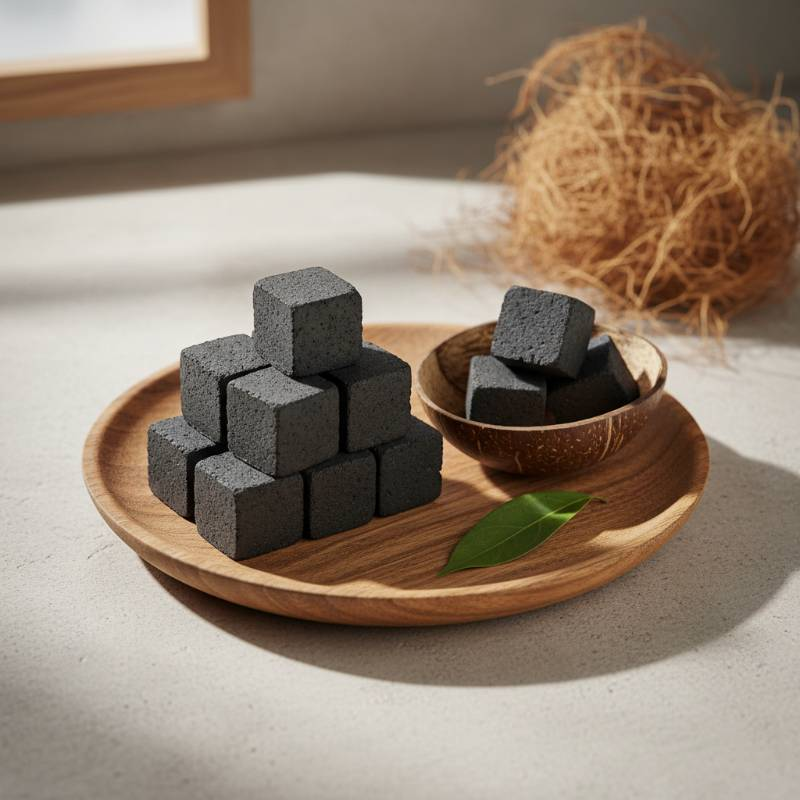
The shift toward sustainability has led to the dominance of eco-friendly coconut shell charcoals. These are carbon-neutral and produce significantly less ash. Additionally, the Electric Hookah Factory has pioneered charcoal-free heating elements that eliminate CO emissions entirely from the session.
Cultural Origins and the Global Social Fabric
The practice of smoking shisha dates back centuries, with roots in the Persian Empire and Mughal India. Historically, it served as a symbol of hospitality and social connectivity. According to research on the history of waterpipes, the device was initially crafted from coconut shells.
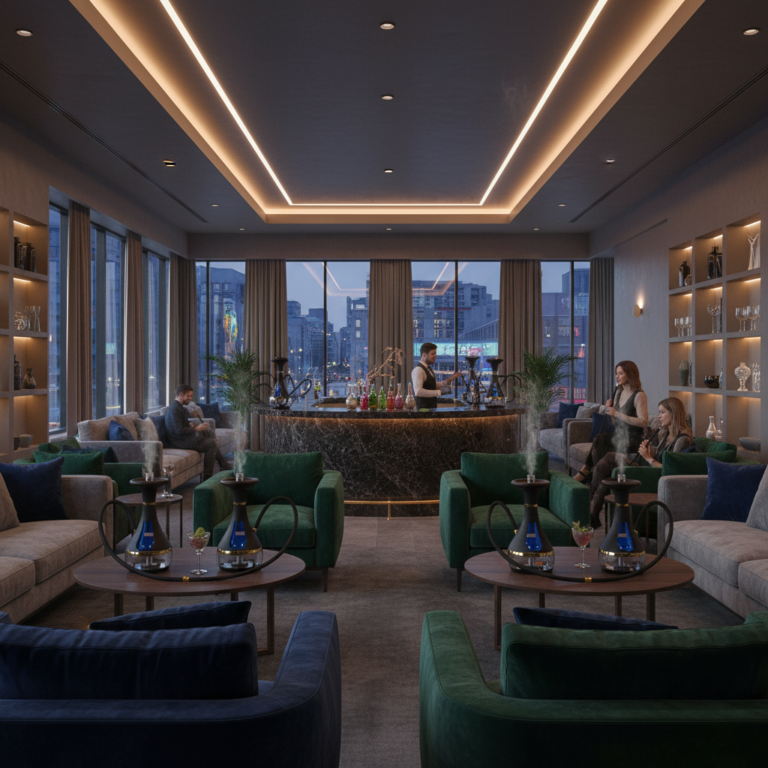
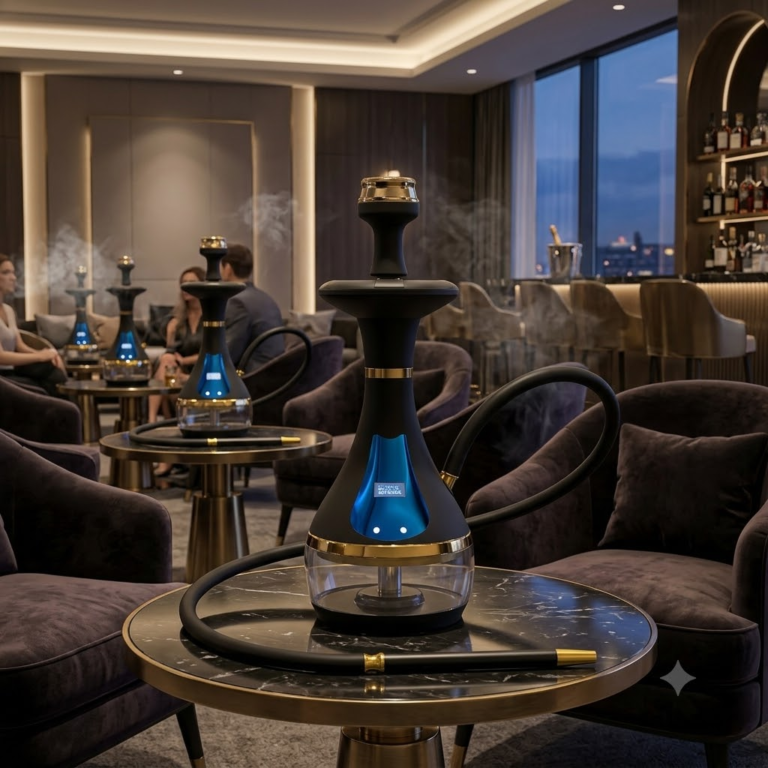
Today, shisha transcends borders. From the upscale lounges of Dubai to the tech-centric social clubs in San Francisco, it remains a “slow” hobby. In a world dominated by fast-paced digital interactions, the 45-to-90-minute shisha session provides a rare space for deep conversation and communal relaxation.
Frequently Asked Questions
Is shisha worse than cigarettes?
It is not a direct comparison. While shisha sessions last longer and involve more vapor volume, the vapor is produced through heating rather than burning tobacco. However, both carry health risks that users should evaluate based on frequency of use.
How long does a shisha session last?
A standard session using the Aero-Flow Protocol typically lasts between 60 and 90 minutes, depending on the bowl size and heat management efficiency.
Can you smoke shisha without nicotine?
Yes. There are numerous nicotine-free alternatives available in 2026, including fruit-based pastes, cellulose stones, and herbal blends that provide the same cloud density without tobacco.
How often should I clean my hookah?
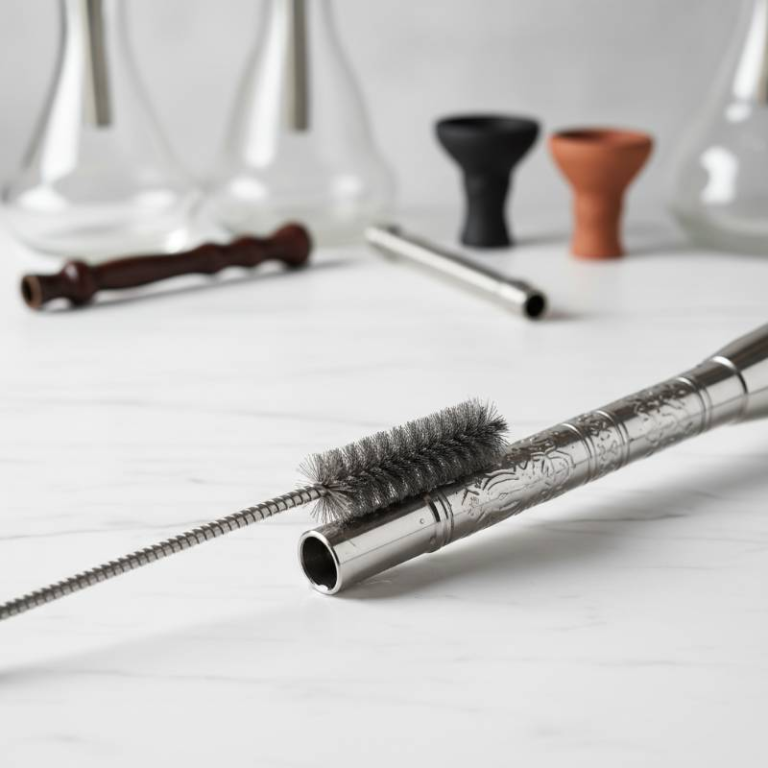
For optimal flavor and hygiene, the base and hose should be rinsed after every session. A deep clean with specialized brushes and non-toxic agents should be performed every 5-10 sessions.