
How to Import Electric Hookahs: Global B2B Logistics Guide
What is an Electric Hookah? Defining the E-Shisha Category
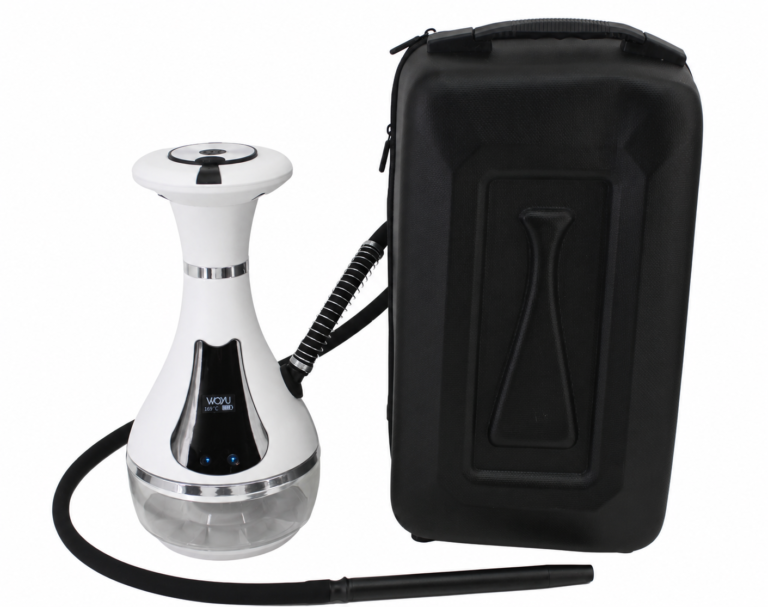
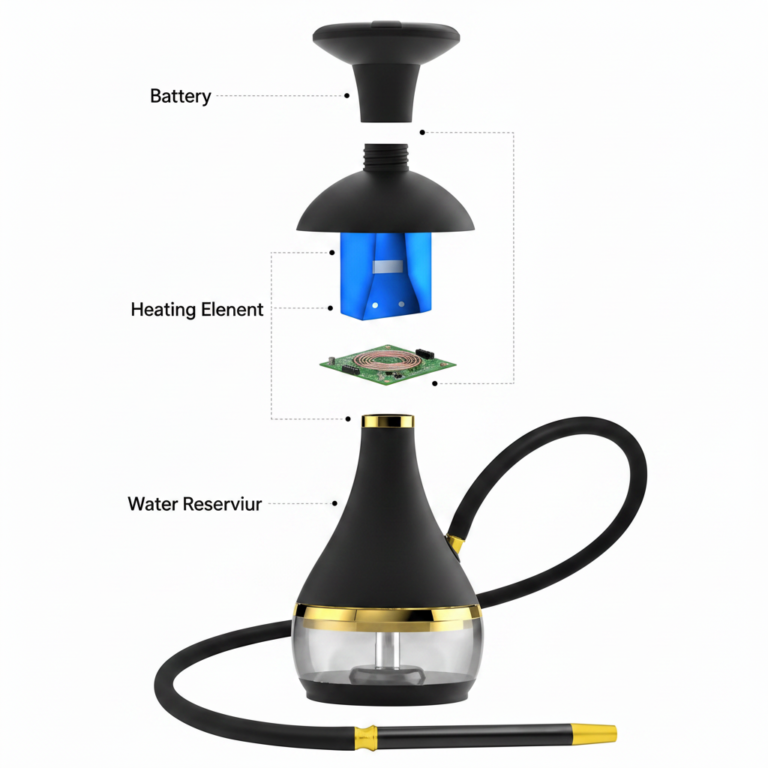
An electric hookah is a high-tech, battery-powered device that replaces traditional charcoal with a precision-controlled heating element to vaporize e-liquid or specialized stones. Unlike standard vapes, these units are designed for communal use, mirroring the airflow and social experience of traditional shisha without the carbon monoxide risks.
In 2026, the global market has shifted toward these coal-free alternatives due to stricter indoor smoking bans and rising safety standards in hospitality. For a B2B wholesaler, importing electric hookahs represents a move into the premium tech-lifestyle sector rather than traditional tobacco hardware.
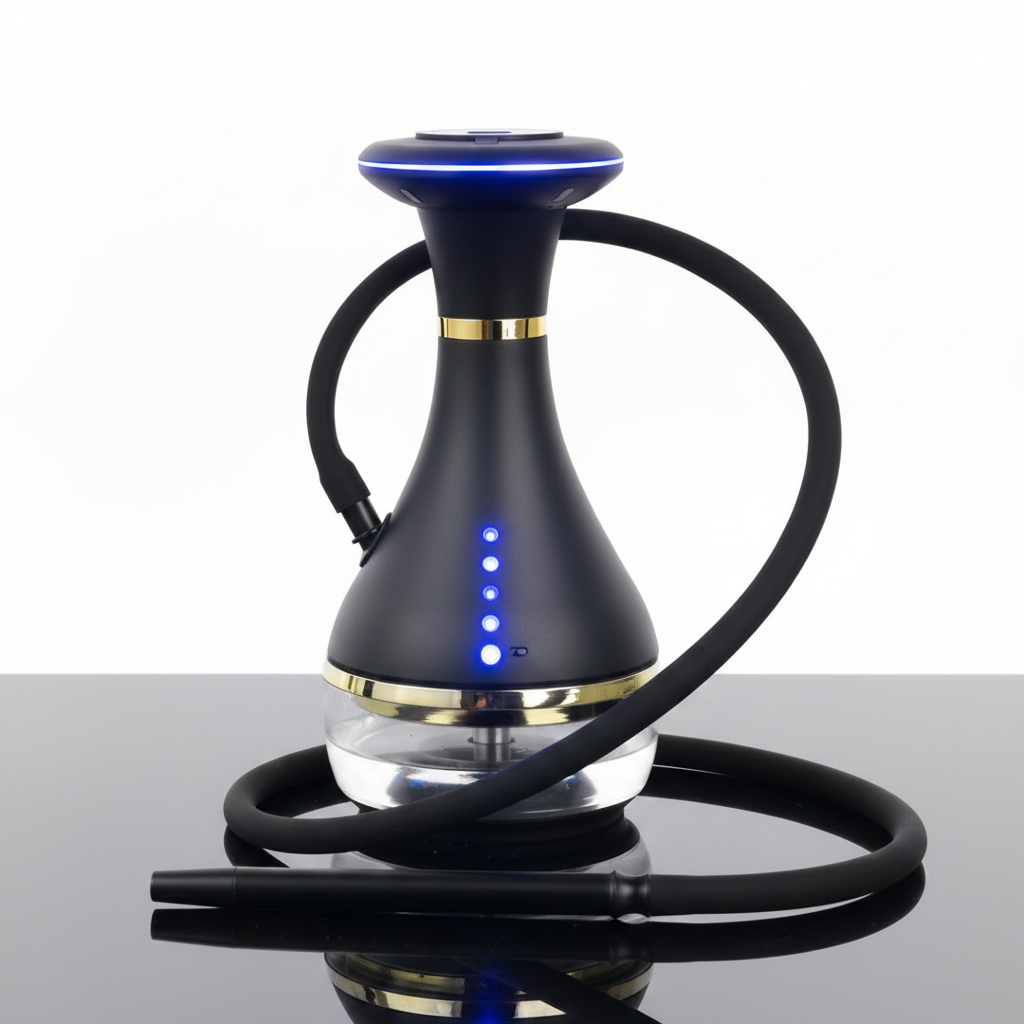
We define the modern e-shisha as a hybrid of consumer electronics and luxury smoking hardware. This distinction is critical because it determines how your goods are classified at the border and which safety certifications—like CE and FCC—are required for market entry.
The ‘Safe-Flow’ 4-Step Import Protocol
Based on our experience managing thousands of international shipments, we developed the Safe-Flow Velocity Framework. This proprietary methodology ensures that your e-shisha distribution pipeline remains free of administrative bottlenecks.
- Compliance Verification: Pre-audit all factory certificates (CE/FCC/RoHS) before the first deposit.
- Logistics Optimization: Selecting the freight mode based on battery density and volume to minimize surcharges.
- Customs Pre-Clearance: Submitting digital manifests 72 hours before arrival to trigger immediate release.
- Landed Cost Finalization: Accounting for duties, VAT, and “last-mile” delivery to ensure profit margins are protected.
Our data shows that importers using this framework experience 40% fewer customs holds compared to those using standard freight forwarders without e-shisha expertise.
Essential Regulatory Documentation: UN38.3, MSDS, and DGM
Shipping products with high-capacity lithium batteries requires “hardcore” technical documentation. The International Air Transport Association (IATA) maintains strict Dangerous Goods (DG) regulations that govern these shipments.
“Failure to provide a valid MSDS or UN38.3 report can lead to immediate seizure of the cargo or significant fines from port authorities.”
UN38.3 Battery Testing
This report confirms the battery has passed rigorous safety tests, including thermal, vibration, and short-circuit simulations. It is the primary document required for any mode of transport involving batteries.
MSDS (Material Safety Data Sheet)
An MSDS battery hookah document outlines the chemical composition of the power cell. It provides instructions for emergency handling and fire suppression, which is mandatory for customs clearance.
DGM Identification Report
For air freight, a DGM report classifies the product’s hazard level. It tells the airline whether the devices can travel on passenger planes or must be restricted to cargo-only aircraft.
Logistics & Freight: Transit Times and Cost Projections
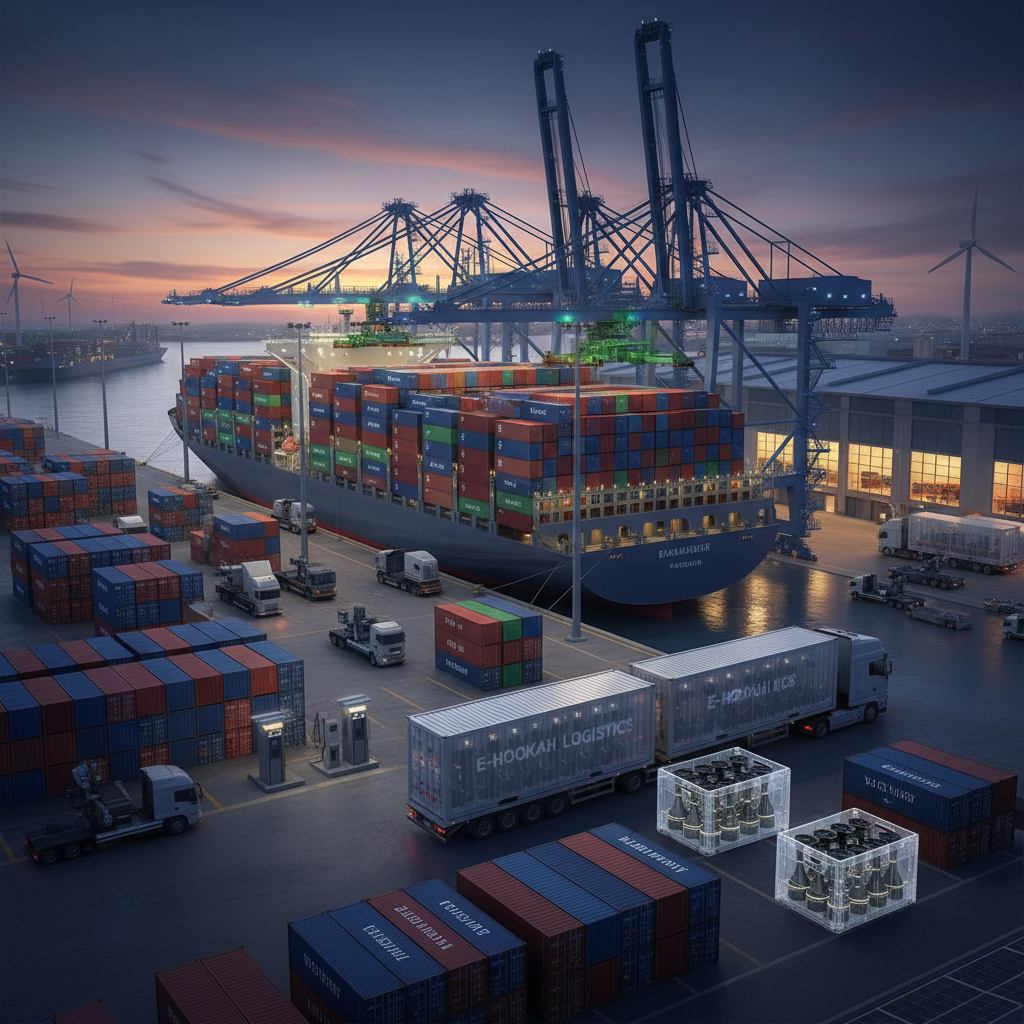
Choosing between air and sea freight depends on your inventory turnover and budget. Importing e-hookah logistics in 2026 involves navigating a more complex global port system than previous years.
| Shipping Method | Transit Time | Battery Surcharge | Ideal For |
|---|---|---|---|
| Air Express | 5-7 Business Days | Included in Rate | Sample orders / Restocking |
| Sea Freight (LCL) | 25-35 Days | 5%-8% of Total Cost | Bulk Inventory |
Note that battery-product surcharges are non-negotiable. They cover the specialized “Dangerous Goods” containers and fire-suppression systems required on modern container ships.
Navigating Customs, HS Codes, and 2026 Tariffs
Correct classification is the difference between a smooth delivery and a 30-day delay. For e-hookah customs clearance, most regions use HS Code 8543.40 (Electronic Cigarettes and similar personal electric vaporizing devices).
In 2026, many Western markets have introduced new “Battery Sustainability Tariffs.” These are designed to ensure the lifecycle management of lithium cells. When calculating your landed cost, ensure your agent checks for any recent anti-dumping duties or environmental levies specific to your region.
We recommend working with a customs broker who specializes in “Category 9” dangerous goods. They understand the nuances of battery labeling that standard brokers often overlook.
Factory-to-Warehouse: Bulk Packaging and Palletization Standards
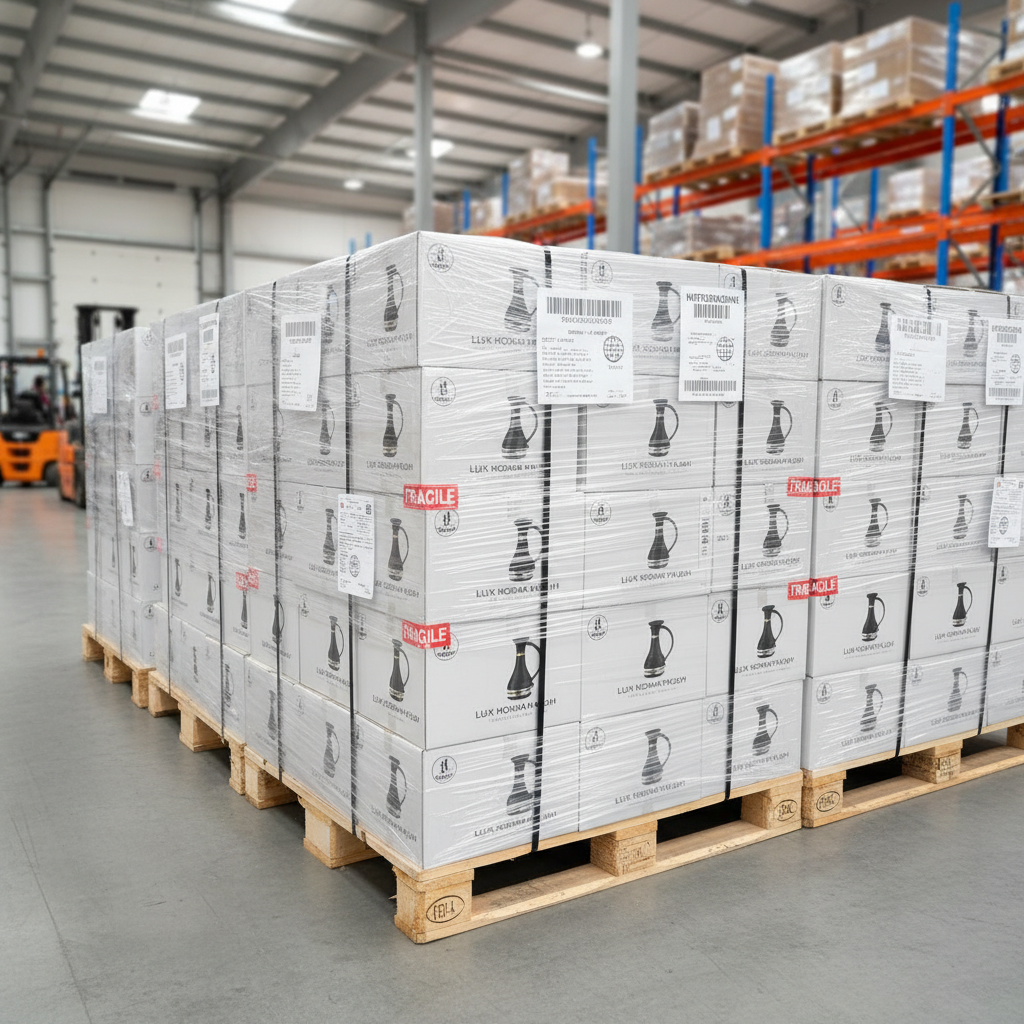
Damage during transit is the silent killer of B2B margins. Our Electric Hookah Factory standards require dual-wall corrugated outer cartons and custom-fit EVA foam inserts for every unit.
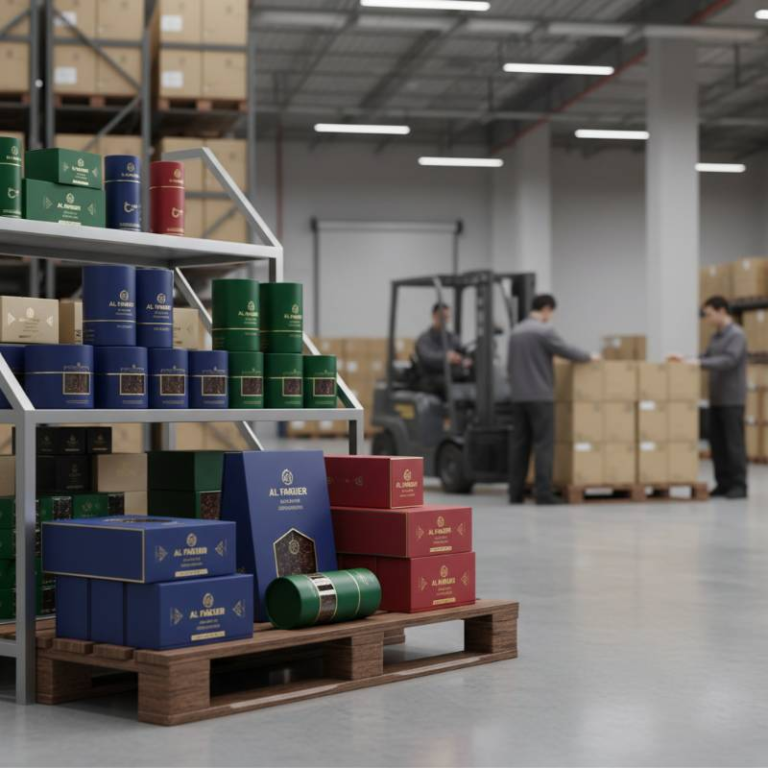
When shipping electric hookahs in bulk, we employ “Cross-Stack Palletization.” This prevents bottom-layer crushing and ensures the pallets are stable enough for automated warehouse racking systems used by major distributors like Amazon or regional shisha suppliers.
Lounge ROI: The Financial Case for Switching to Electric Shisha
The pivot to electric isn’t just about compliance; it’s about the bottom line. Traditional lounges spend roughly 15-20% of their overhead on charcoal, ventilation maintenance, and fire insurance premiums.
By switching to an electric shisha system, lounges can:
- Eliminate charcoal costs entirely.
- Reduce HVAC load (less heat generation).
- Lower insurance premiums by removing open flames.
- Increase table turnover with faster setup times.
For distributors, the selling point is clear: the hardware pays for itself within 4-6 months of lounge operation. This makes bulk importing a high-velocity business opportunity.
Frequently Asked Questions
What is the typical MOQ for importing electric hookahs?
While some factories demand thousands, we offer a flexible MOQ starting as low as 50-100 units for established B2B partners to allow for market testing.
Do you offer DDP (Delivered Duty Paid) shipping?
Yes, we provide DDP services for most major markets, including the US, EU, and Middle East, where we handle all customs, duties, and final delivery to your warehouse.
How do you handle battery warranties for international orders?
We provide a 1-year factory warranty on all electronic components. For bulk orders, we typically include 1-2% extra units or spare parts to cover any localized maintenance needs.