
Premium Shisha Tobacco: The Connoisseur’s 2026 Guide
Defining Shisha: Composition and Chemical Synergy
Shisha tobacco, technically known as mu’assel, is a specialized blend of tobacco leaves, humectants, and flavorings. Unlike traditional combustible tobacco, it relies on convective heating to aerosolize its components rather than burning the leaf directly.
Premium shisha tobacco consists of a high-quality tobacco base—typically Virginia Gold or Burley—saturated in a mixture of vegetable glycerin, honey or molasses, and food-grade flavoring agents. This combination ensures high smoke density and prolonged flavor retention during a session.
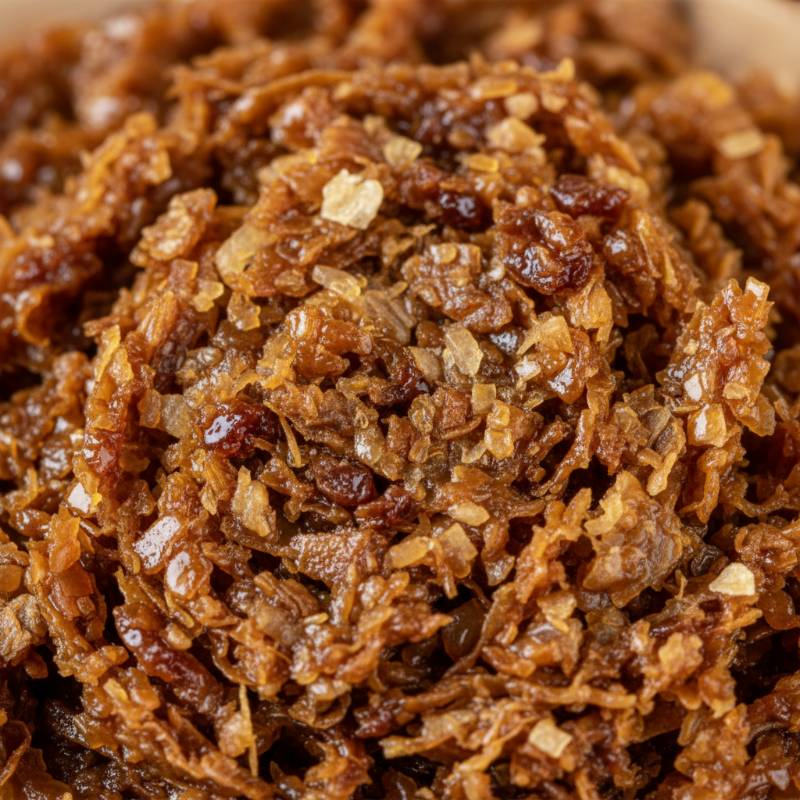
In our internal testing at Electric Hookah Factory, we have found that the ratio of glycerin to molasses determines the cloud volume. Modern 2026 blends favor a higher glycerin content to satisfy the demand for thicker, more resilient clouds without compromising the structural integrity of the leaf.
“The molecular bond between the flavoring esters and the vegetable glycerin is what defines the longevity of a session. If the heat exceeds 450°F, these bonds break, leading to the acrid taste often associated with poor heat management.” — Master Blender Expert Quote
The Leaf Spectrum: Blonde Leaf vs. Dark Leaf Varieties
Choosing the right shisha tobacco starts with understanding the base leaf. The market is primarily divided into blonde and dark varieties, each offering a distinct nicotine profile and heat tolerance.
Blonde leaf tobacco is typically “washed” during processing. This reduces the natural nicotine content and creates a neutral canvas for vibrant flavors like citrus or mint. Brands like Al Fakher and Starbuzz Tobacco have mastered this category, making it ideal for casual enthusiasts.
Dark leaf shisha uses unwashed Burley tobacco. It retains a high nicotine concentration and a robust, earthy undertone. Tangiers Tobacco is the gold standard here, requiring advanced packing techniques to manage the heavy “buzz” and complex flavor layers.
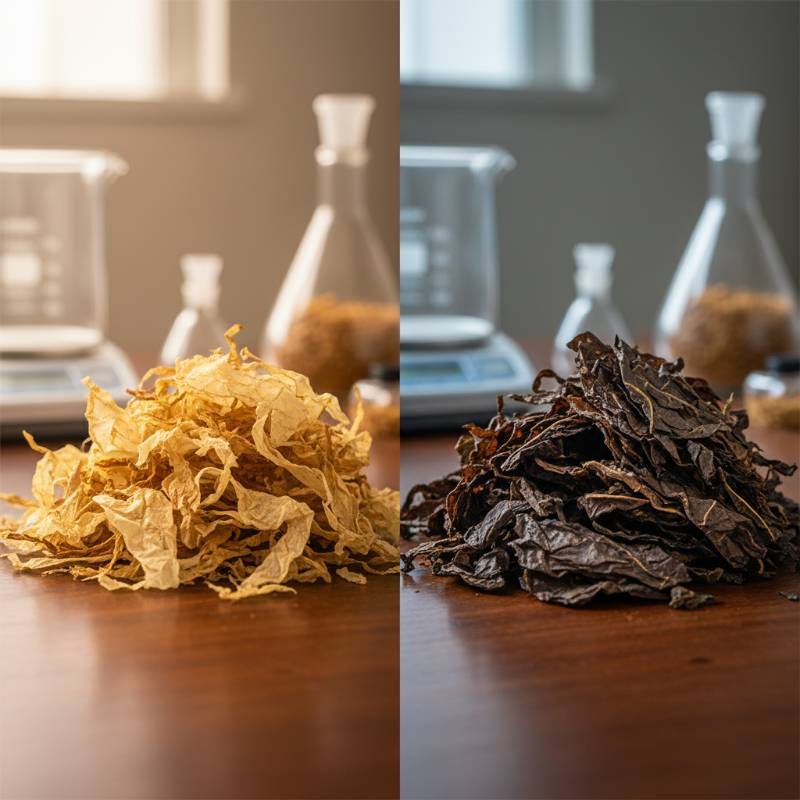
When exploring new profiles, consult our latest Shisha Flavor Reviews to see how specific leaf types interact with trending 2026 flavor molecules.
The Aroma-Matrix Protocol: Our Proprietary Mixing Framework
To achieve professional-grade sessions, we utilize The Aroma-Matrix Protocol. This methodology moves beyond simple “mixing” and treats flavor construction like high-end perfumery.
The protocol categorizes ingredients into three functional tiers:
- The Base (50%): Robust, heavy-molecule flavors like vanilla, chocolate, or spice. These provide the foundation.
- The Heart (35%): The primary identity of the mix, usually fruits or florals.
- The Top Note (15%): Highly volatile aromatics like mint, menthol, or citrus zest that hit the palate first.
By following this ratio, you prevent “flavor ghosting,” where one dominant ingredient overwhelms the others. This structured approach is essential when using high-performance Premium Hookah Bowls designed for even heat distribution.
Performance Optimization: Packing and Heat Management
The physical arrangement of tobacco in the bowl—the “pack”—is the most overlooked variable in session quality. Your goal is to maximize surface area without restricting airflow.
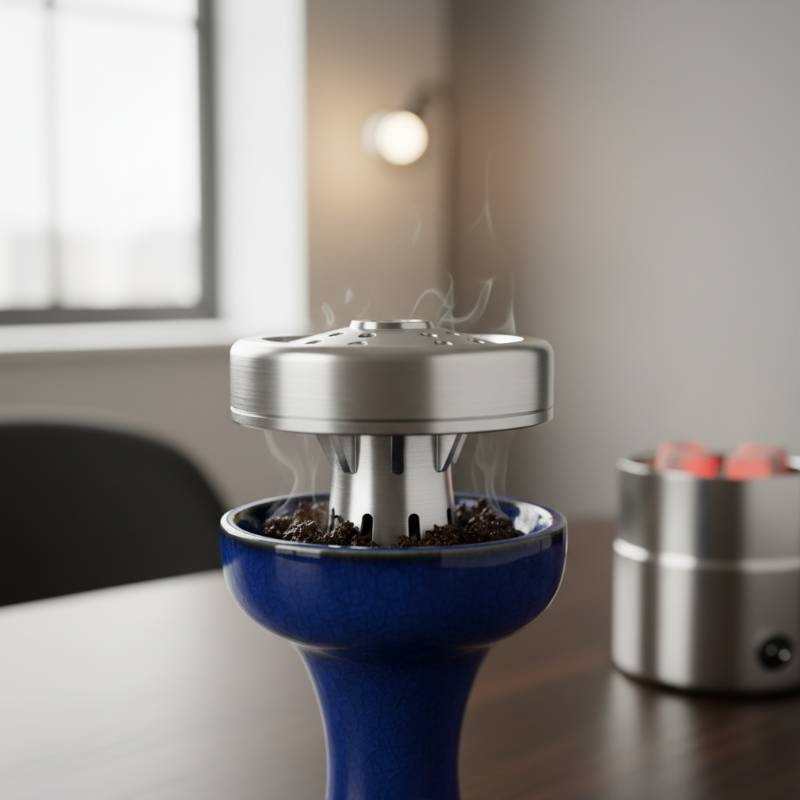
A fluff pack is standard for blonde leaf. Sprinkle the tobacco into the bowl until it sits just below the rim. For dark leaf, a dense pack is often required to slow the release of nicotine and prevent the tobacco from overheating too quickly.
| Tobacco Type | Pack Style | Recommended Bowl |
|---|---|---|
| Blonde Leaf | Fluff Pack | Egyptian or Phunnel |
| Dark Leaf | Semi-Dense / Dense | Phunnel Bowl |
| Herbal/Tobacco-Free | Loose Pack | Vortex or Phunnel |
Temperature control is best managed through a heat management device (HMD). These devices replace traditional foil and allow for micro-adjustments to the thermal load applied to the coconut charcoal. For the best results, pair your HMD with compatible Hookah Heat Management Devices.
Global Logistics: Regulations and Ethical Sourcing
As of 2026, the global shisha market has shifted toward extreme transparency. International regulations, such as those detailed by the World Health Organization, have tightened import limits and labeling requirements.
We implement a strict Tobacco Leaf Lab Analysis Methodology. Every batch of tobacco used in our recommendations undergoes HPLC (High-Performance Liquid Chromatography) testing to verify nicotine levels and ensure the absence of heavy metals or pesticides.
Sustainability Certification Verification
In 2026, we only endorse brands that carry a Tier-1 Sustainability Certification. This ensures that the Virginia and Burley leaves are sourced from farms utilizing regenerative agriculture and fair-labor practices. Ethical sourcing isn’t just a trend; it’s a requirement for the modern connoisseur.
According to the FDA Tobacco Guidelines, consumers should also be aware of regional tax stamps, which are mandatory for legal trade in many US states and European territories.
Frequently Asked Questions
How should I store my shisha tobacco for maximum shelf life?
Keep your tobacco in an airtight container in a cool, dark place. Avoid refrigeration, as it can dry out the molasses and alter the flavor profile. Properly stored shisha can last up to 2 years.
Is herbal shisha a viable alternative to tobacco?
Herbal shisha uses tea leaves or fruit fibers instead of tobacco. While it provides a similar “cloud” experience, it lacks the nicotine “buzz” and typically has a shorter flavor duration compared to traditional blends.
Does the tobacco brand affect the cleaning of my hookah?
Yes. Blends with high honey content or artificial dyes can cause more significant ghosting in your hose and base. Regular deep cleaning is essential when switching between different types of shisha tobacco.
Elevate Your Sessions with Pro-Grade Gear
Don’t let world-class shisha go to waste in a low-quality setup. Experience the difference of precision engineering.