

E-Hookah Pods vs. Electric Charcoal: 2026 Inventory Guide
The 2026 Inventory Strategy: E-Hookah Pods vs. Electric Charcoal Heads
Market Definitions: Pod Ecosystems vs. Universal Hardware
Strategic inventory management in 2026 hinges on understanding the technical divergence between closed-loop pod systems and universal heating elements. While both eliminate traditional charcoal, their business models are diametrically opposed.
Success in electric shisha head wholesale requires a bifurcated approach to hardware and consumables.
Pod Systems: Proprietary, closed-loop devices (e.g., Ooka style) that require specific pre-filled pods. They lock the consumer into a specific brand ecosystem.
Electric Charcoal Heads: Universal heating units designed to replace physical coals. These are compatible with standard 14mm and 18mm glass hookah stems, allowing users to use any shisha paste or molasses.
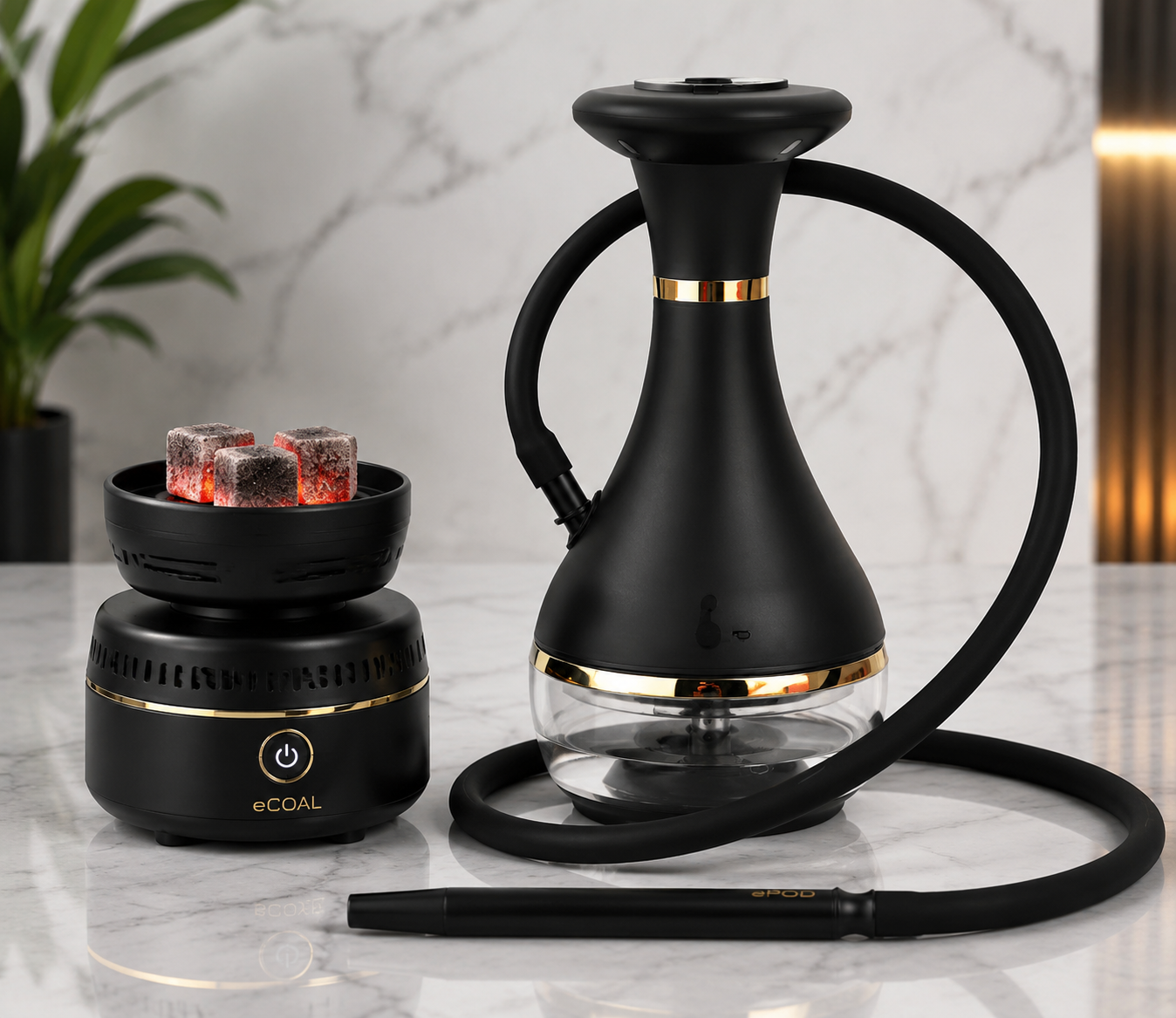
According to Grand View Research, the transition toward electronic alternatives has accelerated, with pod-based systems capturing the “lifestyle” segment while electric heads dominate the “connoisseur” and lounge markets.
The Profitability Matrix: ARR vs. High-Margin Unit Sales
Inventory managers must weigh the benefit of immediate profit against Annual Recurring Revenue (ARR). Based on our 2026 market data, the revenue split for these two categories follows a distinct pattern.
E-Hookah Pod Systems operate on the “razor and blade” model. While the initial hardware sale might have a slim margin, the consumable pods contribute up to 70% of the customer’s Lifetime Value (LTV).
Conversely, Electric charcoal for hookah offers roughly 20% higher upfront unit margins. These are high-ticket items that appeal to traditionalists looking to modernize their existing glass rigs without abandoning their favorite tobacco brands.
| Metric | Pod Systems | Electric Charcoal Heads |
|---|---|---|
| Upfront Margin | Moderate (15-25%) | High (35-50%) |
| LTV Contribution | 70% Consumables | 10% Accessories |
| Customer Retention | High (Eco-lock) | Moderate (Hardware reliability) |
The Dual-Stream Inventory Protocol
To maximize capital efficiency, we recommend The Dual-Stream Inventory Protocol. This framework balances capital allocation between high-velocity consumables and high-ticket hardware assets.
In our testing, the most successful 2026 distributors allocate 40% of their budget to universal electric charcoal heads to capture the existing enthusiast market. The remaining 60% is funneled into pod systems and their associated flavor SKUs to build a predictable monthly revenue stream.
This protocol ensures that even if a specific pod flavor falls out of favor, the high-margin hardware sales of universal heads provide a stable financial floor.
Technical Compliance: Digital Battery Passports and 2026 Tariffs
International procurement in 2026 is governed by stricter safety transparency. All high-capacity lithium cells used in innovative heating technology must now carry a Digital Battery Passport.
This passport tracks the carbon footprint, material origin, and recycling instructions of the device. Failure to provide this documentation at customs can lead to total shipment seizure or heavy fines under updated 2026 shipping tariffs for electronic smoking accessories.
Distributors must verify that their electric shisha head wholesale partners are compliant with these global ESG standards to avoid supply chain disruptions.
Operational Comparison: SKU Turnover and Shelf Space
Pod systems demand significant shelf space and complex SKU management. A single device might require stocking 15-20 different flavor pods to remain competitive. This increases the risk of “dead stock” if certain flavors fail to gain traction.
Electric charcoal heads offer a leaner inventory footprint. Since they are hardware-only, you focus on 2-3 flagship models varying by battery capacity or heat consistency. This reduces warehouse complexity and simplifies the sales pitch for B2B reps.
For shops with limited square footage, focusing on a 70/30 split in favor of universal electric heads is often the more efficient inventory strategy.
Landed Cost Analysis and B2B Pricing Strategies
The Landed Cost formula for 2026 must account for fluctuating energy surcharges and the “Battery Safety Levy.”
Formula: (Unit Price + Freight + Insurance + Duty + 2026 Battery Levy) / Total Units = True Landed Cost.
When setting B2B pricing, consider tiered structures. Offer deep discounts on pod hardware to incentivize the high-margin pod re-orders. For electric charcoal heads, maintain a “Prestige Price” that reflects their role as a durable, long-term investment for the end-user.
Frequently Asked Questions
What is the average battery life cycle for 2026 electric hookah heads?
Most professional-grade electric charcoal heads now feature 1,000+ charge cycles, lasting approximately 2-3 years of daily use before significant capacity degradation occurs.
How do pod systems maintain flavor profile maintenance?
Closed pod systems use vacuum-sealed tech to prevent oxidation, ensuring that the flavor remains consistent from the first puff to the last, unlike traditional shisha which can burn unevenly.
Are electric charcoal heads compatible with all hookahs?
Yes, they are designed with universal silicone or metal adapters to fit standard 14mm and 18mm female ports found on traditional glass hookahs.
Contact Sales for the Best Inventory Mix Recommendations
Don’t leave your 2026 revenue to chance. Our procurement experts will analyze your local market data to build a custom inventory plan using the Dual-Stream Protocol.
Ready to optimize your wholesale orders?